Try Before You Buy: How To Demo Skis Like A Pro
How to navigate on-mountain demo events, evaluate ski tech under real conditions, and find your ideal setup.
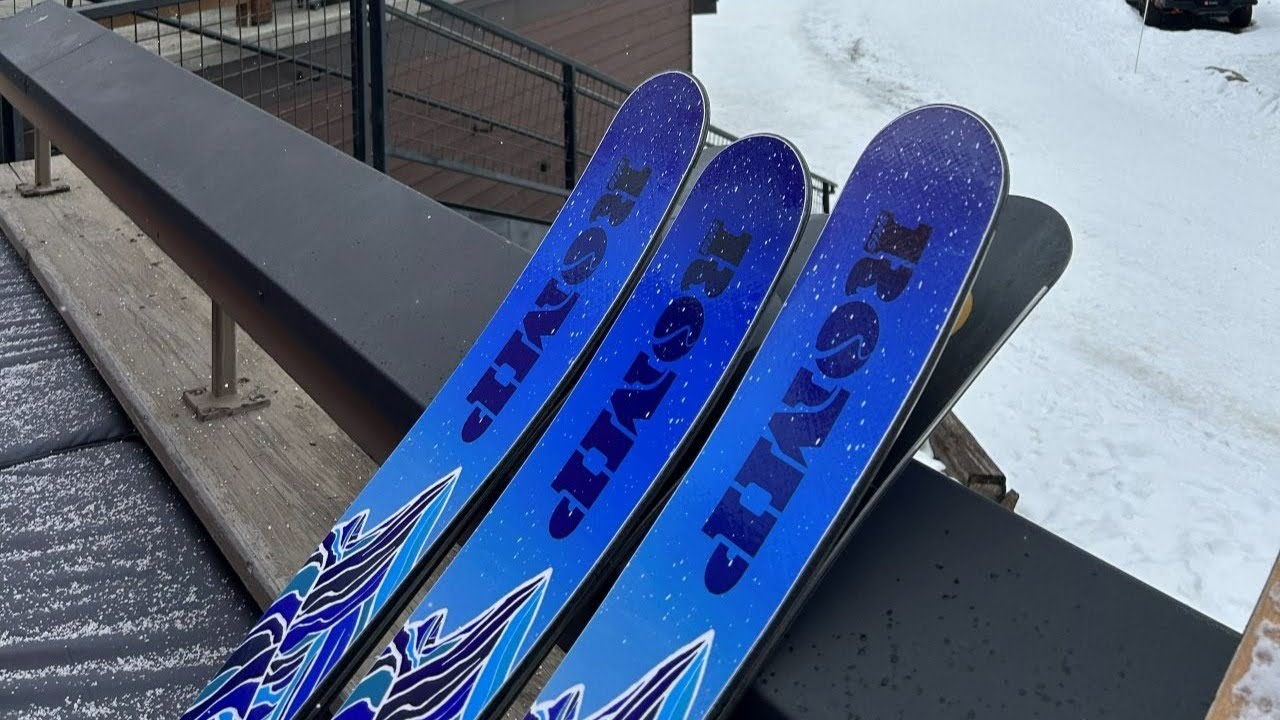
Why Demoing is the Smartest Way to Buy Skis
Buying skis based purely on topsheet graphics, waist-width charts, or online reviews is a gamble—snow feel is entirely subjective. An 18m turn radius or a full Titanal layer are just numbers on a spec sheet until you tip the ski over on hardpack, give it some speed, and feel it pull you through a turn across the fall line.
Think of a ski demo as a controlled experiment: Same boots, same skier, same mountain. Swap the skis underfoot, and suddenly you can actually feel what shape, flex, and profile are doing underneath you.
What "Demoing" Actually Means
It’s important to distinguish between standard rental gear and true demo gear:
Standard Rentals:
Budget-friendly, highly durable, entry-level equipment built to withstand abuse, not maximize performance.
Demo Gear:
High-performance current- and next-season models equipped with adjustable demo bindings that allow you to test top-tier technology. Same skis offered for retail sale at shops.
The ROI of a Demo Day
Test $800–$1,400 setups for free (at brand tent events) or for a minimal daily shop fee.
Compare different brands, flex profiles, and waist widths under the exact same daily snow conditions.
Many retail shops will credit your daily demo fee directly toward the purchase of a new pair.
Demo Day Resource: SnoCountry Downloadable Ski Demo Scorecard or Online Scorecard for Your Phone
The 3 Ways to Demo Skis (And Where to Find Them)
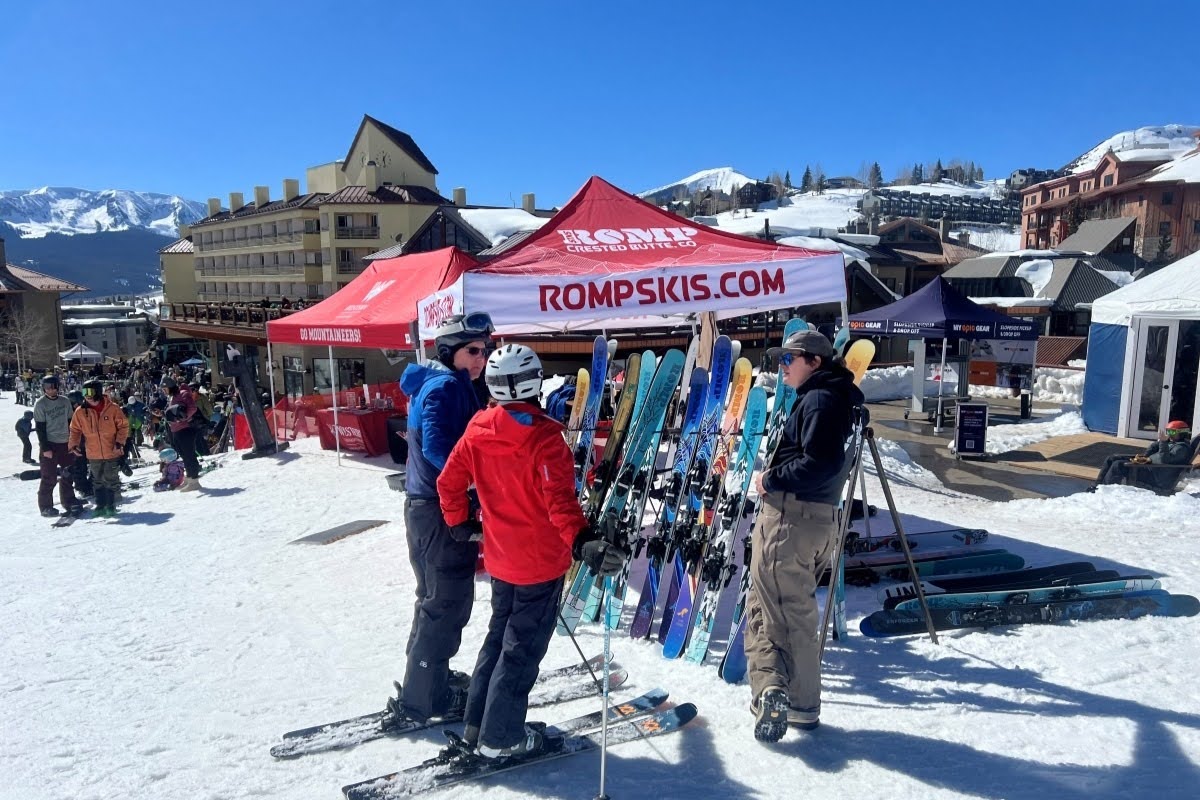
Visit the website of the ski areas that you frequent. Look under events to find potential demo events. In some cases, a demo event may be sponsored by a local ski and snowboard shop and may require additional searching. You can also take a look at the websites and socials of ski manufacturers that you may want to try. Often they’ll post a demo schedule, and you’ll find one close to you.
How to Prepare for a Demo Day
To prepare, get some good rest the night before. Be sure to bring your ski boots, clean, with soles in good shape to facilitate a clean step-in into demo bindings. The only gear you’re likely to demo are skis, so be sure to bring your helmet, goggles, gloves, poles, and be ready to ski from the demo site to the lift.
It’s helpful to know your boot sole length. This is different from your boot size. For example, my Lange boots are a US 9, mondo size 26.5 or 265 mm; however, my boot sole length (BSL) is 306 mm. This sole length number is stamped on the outside of the shell’s heel. Knowing your BSL will speed up binding adjustment and get you on snow quickly. You’ll want to know your DIN setting on your bindings for efficiency of the setup process. The DIN number is visible through the clear adjustment window on either the toe or heel piece and usually ranges from 4 to 12 or 8 to 16. Your DIN is a factor of height, weight, age, and ability. Generally, DIN settings are constant between binding brands. For example, an 8.0 DIN setting should be the same whether your own skis have a Marker binding and the demo ski has a Salomon.
Most skiers have an idea of the length of the ski they usually ride, but a demo event is an opportunity to go longer or shorter. If your current skis are simply old and worn but you loved their performance, then that’s a good starting point.
If your daily driver is stiff, directional, and satisfied when charging groomers, take out a softer, rockered ski into some trees. If you’re looking to build your quiver, first consider whether you’ve thought about trying a wider ski for powder or loose but tracked-out snow. Or maybe you already have 100 mm+ skis and are considering sub-90 mm skis to ride in between storms, or for when snow surfaces are firmer. The demo event is often the best way to explore. As a very basic guide, I’ve found French-designed skis to be snappy, quick-turning, whereas Germanic skis (German, Swiss, Austrian) tend to be more damp and stable. Smaller, custom or boutique ski manufacturers produce a range, so it’s best to discuss what you like/don’t like with the ski tech to narrow down your selection. Don’t worry about technical terms; the demo reps are there to help.
If you plan to try a rockered ski, venture a bit longer than your usual ski. Keep in mind, a rockered ski has less edge contact with the snow than a normal profile. If your old skis are 175 cm, jump onto a rockered 184.
Be realistic to maximize the time you have on snow by having an idea of how many skis you can reasonably evaluate. Plan to take 2 to 3 runs per pair during an on-mountain demo day to truly get the feel of the ski. This should allow time to demo 3 to 4 different skis. Many times you’ll know after the first run whether you want to take a second. If you and a ski are simply not simpatico, return them early and try a different pair. Once you’ve narrowed the field down to one or two pairs destined to become your next ski, you may want to demo skis from a mountain shop for a full day to lock in your decision. By demo-ing a pair from a mountain shop for the whole day, you have time to test them across various terrain zones. Plus, if any adjustments or trade-outs are necessary, you’ll be back on the snow quickly. Many shops offer Try Before You Buy and take the rental/demo fee off the price of the ski; something to consider for determining which of your finalists wins.
Variables to Consider
While demo skis are often well-maintained, you may find a pair that needs a tune. Do a quick visual of the base and edges before stepping in for binding adjustment. Ski length can be a differentiator affecting how a ski performs for you. For example, a ski of the same brand, same model, same width in a 175 cm will feel different than a 185 cm
A ski will perform differently on a groomer than in a tracked-out bowl
Morning corduroy is not the same as afternoon chop
Finding a Ski Demo Event
Finding a demo opportunity comes down to knowing where to look:
Visit the event pages of the ski areas you frequent.
Ski manufacturers and local ski shops regularly post their traveling demo schedules on their websites and social media channels.
| Demo Format | Pros | Cons |
|---|---|---|
| On-Mountain Brand Demo Days (e.g., Traveling Brand Tents) |
|
|
| Resort Base Shops |
|
|
| Local Town Ski Shops |
|
|
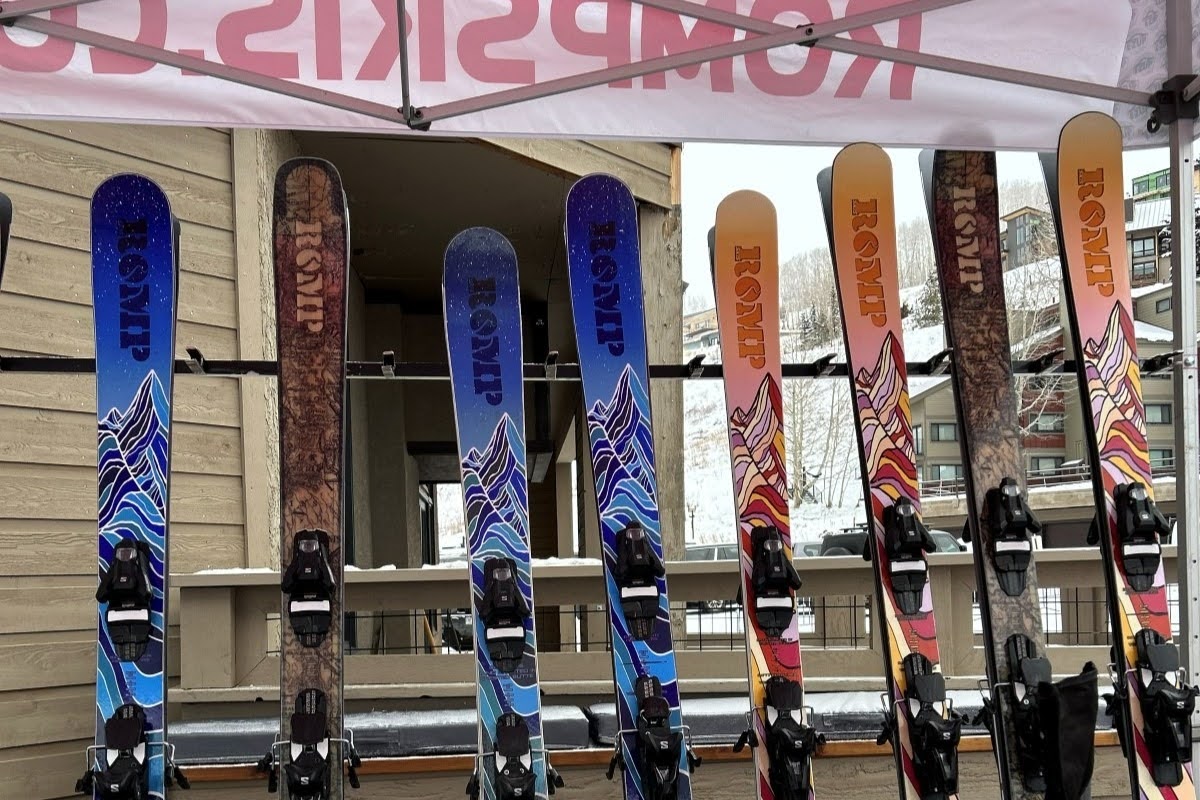
Spotlighting Traveling Demo Fleets: Romp Skis
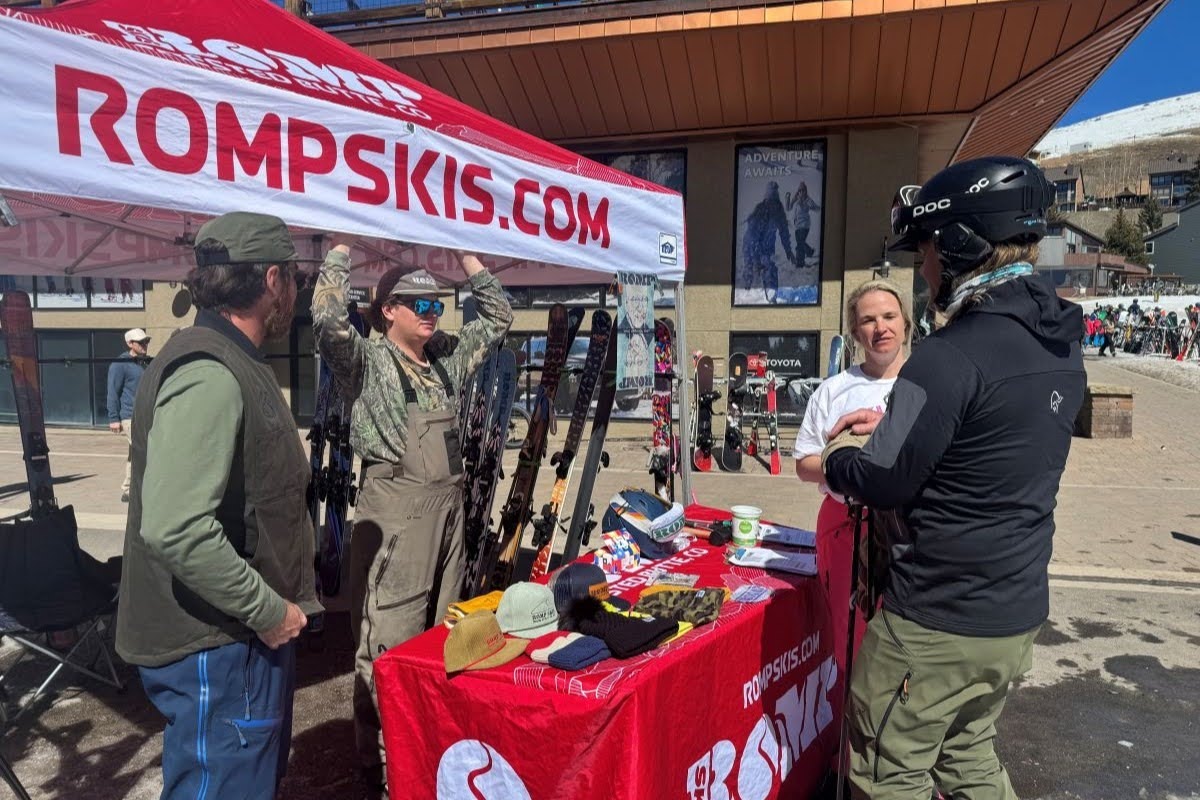
Unlike traditional brick-and-mortar retail demos, some independent craft manufacturers take their entire fleet directly to the mountain. For example, Crested Butte-based Romp Skis—founded by two brothers making custom skis in their garage—takes their demo tent across the Rocky Mountains every winter to resorts like Crested Butte, Monarch, Loveland, Ski Cooper, Powderhorn, Snowmass, Wolf Creek, and Taos.
At a Romp event, it’s simple: talk to the crew about how and where you ski, hand over your ID, and take a pair out for a few laps at zero cost. If you happen to be in Crested Butte, you can even stop by their factory, take a tour, meet the builders, and demo right from the source.
What to Bring & Know Before You Show Up
To ensure a fast setup at the demo tent, get a good night's rest and arrive prepared with your gear and stats.
Essential Gear Checklist
Clean, with boot soles in good structural condition to facilitate a safe, clean step-in into demo bindings.
Helmet, goggles, gloves, poles, and your lift ticket or pass. (Demo tents only supply the skis and bindings).
The Tech Numbers You Must Know
Having these two numbers ready will speed up binding adjustments and get you out on snow in minutes:
Stamped in millimeters on the outside of your boot shell’s heel (e.g., a US size 9 / 26.5 Mondo boot often has a BSL of around 306 mm). Note: BSL is different from your Mondo size.
Visible through the clear adjustment window on your toe or heelpiece (typically ranging from 4–12 or 8–16).
How to Demo Skis Like a Pro Tester (The Testing Protocol)
When testing gear, the goal isn't necessarily finding something "better"—it's figuring out what you notice.
Rule 1: Isolate the Variables (The Control Run)
To evaluate skis objectively, keep the mountain constant:
Pick one predictable groomer to test edge hold, carving radius, and high-speed stability.
Pick one section of variable snow, bumps, or trees to test maneuverability, flex, and quickness.
Ski the exact same 1–2 laps on every pair you take out.
Rule 2: Focus on First Impressions & Specific Snow Features
Notice how the tip enters the turn. Does it hook up instantly, or is it forgiving?
Lay the ski over on edge. Does it grip smoothly or chatter and vibrate?
Straightline through chunder. Does the ski damp out vibration or get tossed around?
How quickly does the ski pivot underfoot when space gets tight?
Rule 3: Experiment with Length & Style
Don't just demo the exact length or category you currently ride:
Rockered skis have less effective edge contact with the snow than traditional cambered skis. If your daily driver is a 175 cm traditional ski, try jumping up to a 184 cm rockered ski.
If your daily driver is a stiff, directional 85 mm ski for charging groomers, try taking a softer, rockered 100 mm+ ski into the trees or tracked-out powder.
As a general rule of thumb, French-designed skis tend to be snappy and quick-turning, while Germanic skis tend to be damp, stiff, and stable at speed. Smaller custom and boutique ski builders produce a wide spectrum tailored to specific riding styles.
Rule 4: Beware of Demo Fatigue
Limit your testing to 3–4 pairs per day. Beyond that, leg fatigue and changing snow conditions (e.g., morning hardpack turning into afternoon slush) will distort your feedback.
Taking Notes & Evaluating Performance
Don't rely on your memory at the end of the day after four different pairs of skis blend together.
Pro Tip:Use voice memos or your phone's notepad while riding the chairlift right after completing your control run on a pair of skis. Ski manufacturers may provide you with a demo card to write down the model, length, width, and notes, or Download Our Printable 1-Page Ski Demo Scorecard (PDF) or use our Online Scorecard on your phone.
The 4 Key Attributes to Track
Does the ski hold firmly on firm snow, or does it feel skittish at speed?
Is it effortless to pivot in tight spots, or does it require aggressive input?
Is it damp and forgiving, or stiff, poppy, and demanding?
Does the ski only perform at full throttle, or is it fun at casual cruiser speeds too?
How to Talk to Brand Reps & Shop Staff
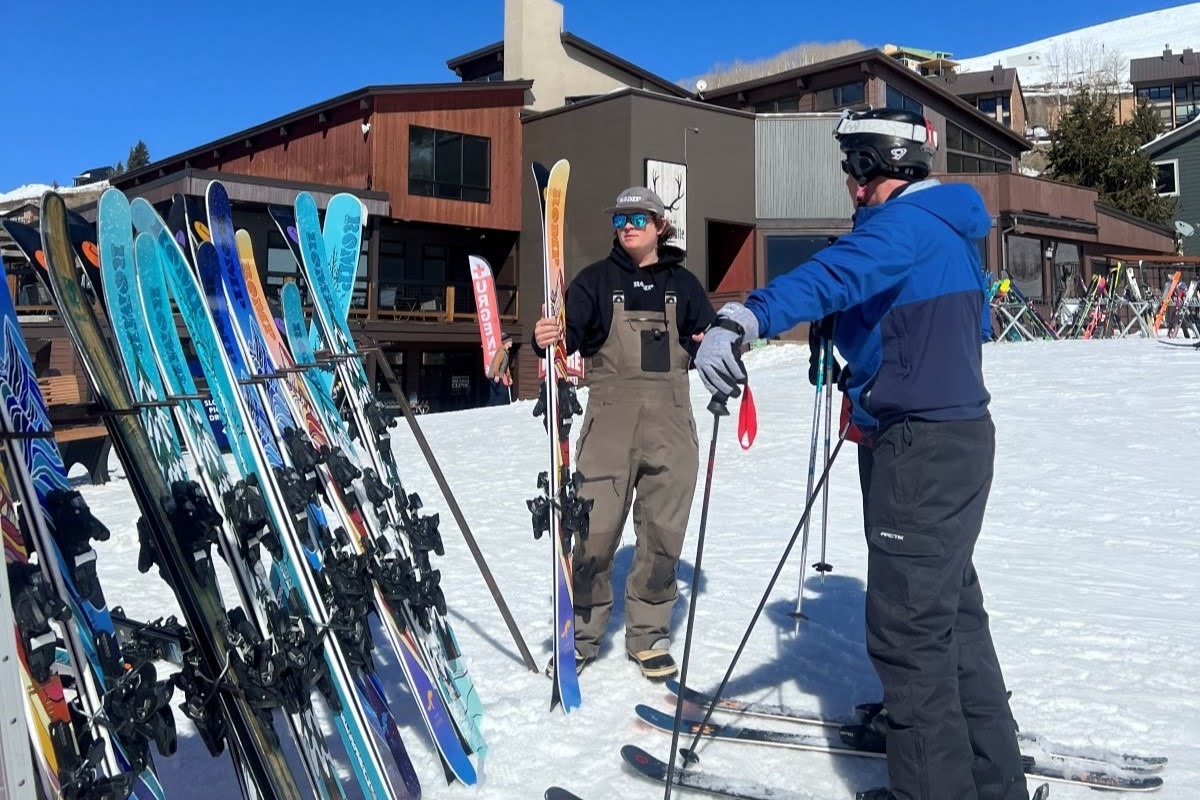
You don't need to master technical jargon—demo reps are there to help translate your feel on snow into technical specs.
Questions to Ask the Reps at the Tent
(This will help the rep select the right ski—and give you something specific to notice on snow.)
(Give the rep your height, weight, ability, and preferences. Ask whether that model or length is their first choice or simply what’s available at that moment.)
(Listen for a match with how you actually ski: groomers, bumps, trees, soft snow, short turns, or faster, open turns.)
(Ask for two or three specific traits—easy turn initiation, edge grip, stability, maneuverability, or energy coming out of a turn.)
(Does it respond best to a forward, driving stance or a more centered stance? Does it prefer carved turns, or is it easy to release and pivot?)
(Set expectations about the ski in advance, then see how it performs. You might be pleasantly surprised.)
(Every design has its trade-offs. Another way to ask this question is: “What type of skier might not get along with this model?”)
(The rep may suggest a particular pitch, terrain pod, snow surface, or terrain feature that should bring out the ski’s strengths and limitations.)
(A fresh factory edge will feel different from a dull, end-of-day edge).
(Moving a binding forward or back even 5 mm from the center mountain point can drastically change turn initiation and tail release).
(Understanding whether you're riding a metal-laminate, carbon-reinforced, or full wood core helps explain why a ski feels damp vs. energetic).
Pro Tip:Consistency is your friend when evaluating skis. (For a true and fair comparison, ski roughly the same route at similar speeds on each ski, then jot down your notes immediately afterward: What felt easy? What took effort? Did you want to take another run or return them and try something else? When returning a ski or switching out, be sure to share how you felt with the reps to help them identify a better model or length for your next laps.)
Questions to Ask Yourself
(Does the ski respond naturally, or do I have to work it to make the turn I want?)
(Can I easily shorten the turn, release the edge, or suddenly pivot to avoid something? Do I feel in control when the terrain changes?)
(Does this ski hold securely on firm snow and feel stable through uneven patches? Do I feel relaxed or hesitant skiing at my normal speed?)
(Is this ski enjoyable at the speeds I usually ski, or does it need more speed and space than I can give it?)
(If you find yourself fighting the ski or ending up in the backseat on every turn, it simply may not be the right match for your normal technique or body type. Try something else.)
(Is it impressive for a few runs, or something I’d enjoy skiing all day on my usual terrain? Can I handle this ski comfortably even when my legs get tired? Or, will this ski tire me out sooner?)
Buying Post-Demo: Timing & Insider Tips
Demoing isn't just about finding your dream ski. It's also the smartest way to land a serious deal. Between "Try Before You Buy" rental credits and discounted end-of-season fleet sales, you can easily offset the cost of testing or score high-end gear for a fraction of retail price. However, timing your purchase, inspecting used inventory, and knowing how shops handle credit roll-overs can make or break your final decision. Here’s what you need to know before handing over your credit card.
When considering an end-of-season purchase of a demo ski, you’re buying a nearly-new ski, but one that may have been tested several times. A demo ski has likely been tuned regularly to maximize performance for the demo experience. When considering an end-of-season demo ski, be sure to check edge thickness (Is the edge thickness consistent? Are there signs of edge repairs?) Look for signs of topsheet delamination. A few dings are normal, but if there are signs the top sheet of the ski has separated from the sidewall, this could be problematic. Beware of “core shots” by looking for base repair welds. Surface scratches are normal and generally inconsequential, but a deep gouge, although repaired, may have compromised the ski’s core.
What is the typical shop policy timeframe for applying daily demo rental credits toward a brand-new, unmounted setup?
Many shops offer to roll the demo fee into the price of a brand-new, unmounted setup, netting out a free demo. Some shops may limit this credit to the value of 2 demo sessions. Something to consider when determining which of your finalists wins.
There’s quite a bit of variability in timing based on season demand, fleet size, and peak/off-peak demand. Typically, sales begin sooner at off-mountain locations and through larger retailers. On-mountain shops may offer ski demos until the end of the season, but mid-March is the best time to buy. Another factor is how many times a demo ski has cycled. A shop may decide to hang on to a ski for another season if it hasn’t been tested often, or if the manufacturer will be producing the same ski the following year.
Pro Tip:Be Considerate. The ski company representative will ask you to take 2-3 laps and return the ski so others may try it. Try your best to adhere to this and return the ski on time, particularly at the end of the day. Typically, a demo event ends an hour or so before the lifts close. Be respectful of the rep’s time. They have a lot to do to account for all of the skis that have gone out, inspect each ski, and load up all of their gear to leave the demo event site before dark.
Summary Comparison: On-Mountain vs. Shop Demos
| Feature | On-Mountain Demo Events | Local Ski Shop Demos | End-of-Season Demo Fleets |
|---|---|---|---|
| Best For | Fast, side-by-side testing of multiple models | Extended 1-2 day testing in varied conditions | Snagging high-end gear at a steep discount |
| Cost | Free to low cost | Daily rental fee (often creditable) | Discounted purchase price |
| Selection | Brand/Retailer specific fleet | Shop inventory | Used seasonal fleet |
| Expert Access | Direct access to brand techs/builders | Local shop technicians | Local shop staff |
Ski Demo Scorecard: Rate Your Test Skis
Don't rely on memory after four different pairs of skis blend together by 2:00 PM. Use this 1-to-5 rating framework to log your feedback right on the chairlift after your control run.
Pro Tip:Save time on the mountain! Download Our Printable 1-Page Ski Demo Scorecard (PDF) to keep in your jacket pocket or screenshot to your phone. Or fill out our Online Scorecard right on your phone.
The 5-Point Evaluation Scale (1 = Poor, 5 = Excellent)
How smoothly does the ski lay over and hold an edge on firm corduroy or ice without slipping?
Is the ski easy to pivot and steer in tight trees, bumps, or crowded trail intersections?
Does the construction absorb vibrations through rough chop, or does it feel skittish at high speeds?
Is the ski lively and energetic when exiting a turn, or does it feel damp and flat?
How effortlessly does the tip stay above slush, heavy powder, and tracked-out chunder?